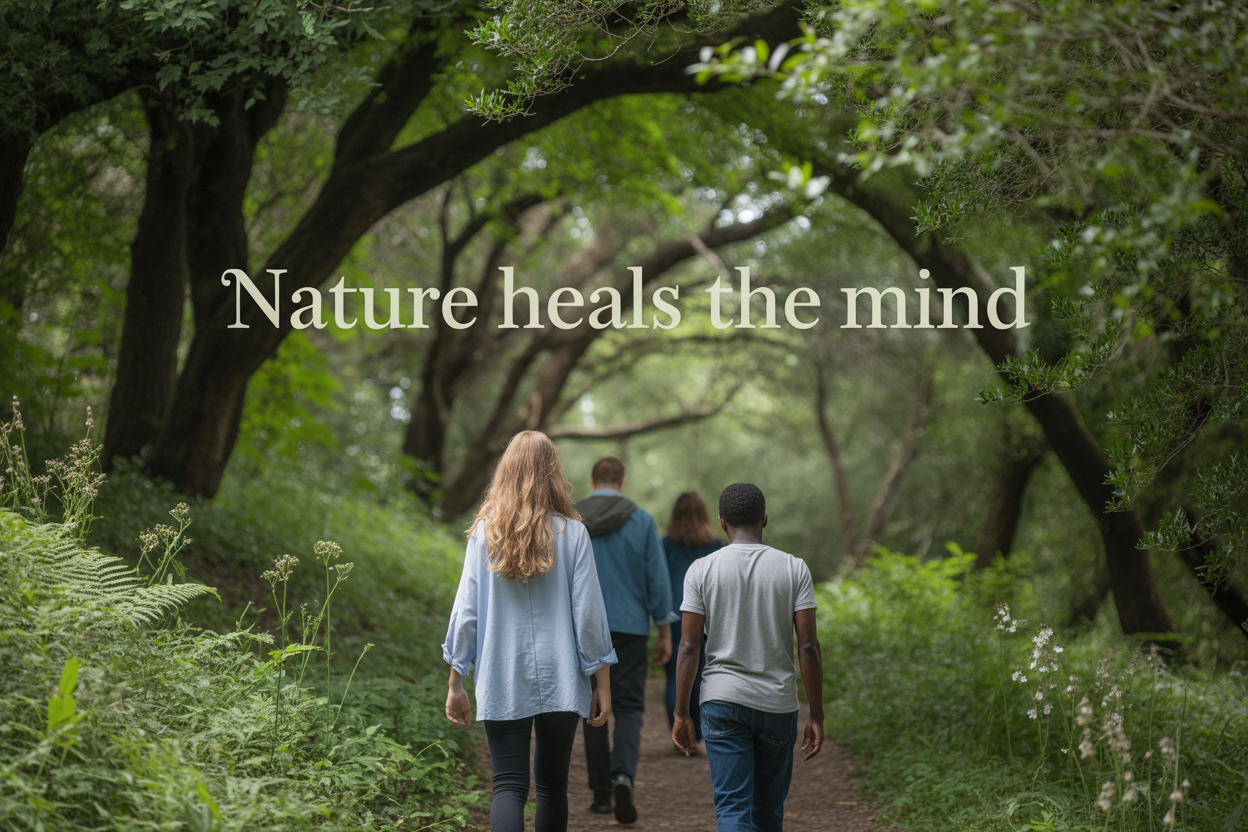
Spending time outdoors isn’t just enjoyable—it’s one of the most powerful tools you can use to improve your mental health. If you’re dealing with stress, anxiety, depression, or simply want to feel more balanced, research shows that nature mental health benefits can make a real difference in your daily life.
This guide is for anyone looking to harness the healing power of natural environments, whether you’re a busy professional seeking stress relief, someone managing seasonal affective disorder, or simply curious about how green spaces reduce stress and boost your mood.
You’ll discover the science behind why forest bathing mental health practices work so well, plus learn practical nature based interventions anxiety that you can start using today. We’ll also explore how to find outdoor therapy psychological wellbeing opportunities right in your own neighborhood, even if you live in the heart of the city.
From simple mindfulness in nature techniques to building long-term ecotherapy mental wellness habits that stick, you’ll walk away with actionable strategies that fit your lifestyle and help you feel better naturally.
Science-Backed Mental Health Benefits of Natural Environments

Reduced stress hormone levels through outdoor exposure
When you step outside into natural environments, your body immediately begins responding at a physiological level. Research consistently shows that spending time in green spaces reduces cortisol, your primary stress hormone, by up to 50% within just 20 minutes of outdoor exposure. Your sympathetic nervous system – the part responsible for your fight-or-flight response – naturally calms down when you’re surrounded by trees, plants, and fresh air.
Forest bathing mental health practices, rooted in the Japanese tradition of shinrin-yoku, demonstrate remarkable effects on your stress hormones. Studies reveal that walking through forests for two hours can lower cortisol levels for up to a week afterward. Your body also experiences decreased adrenaline production and reduced blood pressure when you regularly engage with natural environments. Even urban nature mental health benefits emerge when you spend time in city parks, as your stress response system recognizes and responds to any form of greenery.
The mechanism behind this stress reduction lies in your body’s evolutionary programming. Your nervous system has developed over thousands of years to feel safe and restored in natural settings. When you remove yourself from the constant stimulation of urban environments – the noise, artificial lighting, and concrete surroundings – your parasympathetic nervous system activates, triggering your body’s rest-and-digest response.
Enhanced mood regulation from natural light therapy
Your exposure to natural light plays a crucial role in regulating your mood through its impact on your circadian rhythms and neurotransmitter production. When sunlight hits your retinas, it signals your brain to produce serotonin, often called your happiness hormone. This natural process becomes particularly important during darker months when seasonal affective disorder natural remedies become essential for maintaining your mental wellness.
Natural light exposure helps your body maintain proper melatonin production cycles, ensuring you experience better sleep quality and daytime alertness. Your mood stability improves significantly when you spend at least 30 minutes outdoors during daylight hours, especially in the morning. This outdoor therapy psychological wellbeing benefit becomes most apparent when you compare your energy levels and emotional state on days spent primarily indoors versus those with adequate natural light exposure.
Green spaces reduce stress not only through their calming visual elements but also through the quality of light they provide. Filtered sunlight through tree canopies offers optimal lighting conditions that support your mood regulation without causing the harsh glare associated with direct sunlight or artificial lighting. Your brain responds positively to this gentle, dynamic lighting that changes throughout the day.
Improved cognitive function and focus restoration
Your brain’s ability to focus and process information improves dramatically after spending time in natural environments. This phenomenon, known as Attention Restoration Theory, explains why you feel mentally refreshed after a walk in the park or a hike through the woods. Your directed attention – the mental energy required for concentrated work – becomes depleted through daily tasks, but nature provides the perfect environment for cognitive recovery.
Studies show that your working memory performance increases by up to 20% after spending time in green spaces. Your brain’s prefrontal cortex, responsible for executive function and decision-making, shows increased activity following nature exposure. This cognitive boost occurs because natural environments allow your mind to engage in “soft fascination” – a gentle, effortless attention that gives your directed attention systems time to rest and recharge.
Nature based interventions anxiety treatments often incorporate this cognitive restoration element. When you practice mindfulness in nature, you’re not only addressing anxiety symptoms but also enhancing your brain’s ability to focus and process emotions effectively. Your attention span naturally extends when you regularly engage with outdoor environments, creating lasting improvements in your productivity and mental clarity.
Decreased anxiety symptoms in green spaces
Your anxiety levels consistently decrease when you spend time in natural environments, with effects beginning within minutes of outdoor exposure. Green spaces provide a sense of safety and openness that your nervous system recognizes as non-threatening, allowing your anxiety response to naturally subside. Your breathing automatically becomes deeper and more regulated when surrounded by trees and plants, triggering your body’s relaxation response.
Ecotherapy mental wellness approaches leverage this natural anxiety reduction through structured outdoor activities. Your worry patterns and ruminating thoughts tend to decrease when you engage with nature, as the sensory richness of outdoor environments redirects your attention away from internal stressors. Research demonstrates that people who live within walking distance of green spaces experience 25% lower anxiety levels compared to those in purely urban environments.
The combination of physical movement, fresh air, and natural scenery creates a powerful anxiety-reducing experience. Your body releases endorphins during outdoor activities depression relief programs, while simultaneously reducing the production of stress hormones that contribute to anxious feelings. This dual action makes nature-based interventions particularly effective for managing anxiety disorders and promoting long-term mental wellness.
Nature-Based Activities That Boost Psychological Well-being

Forest Bathing for Emotional Healing
Forest bathing, known as “shinrin-yoku” in Japan, offers you a powerful way to restore emotional balance through deep connection with woodland environments. Unlike hiking or exercise-focused outdoor activities, forest bathing mental health benefits come from simply being present among trees and allowing your senses to absorb the natural environment around you.
When you practice forest bathing, you’re engaging in a mindful experience that reduces cortisol levels and activates your parasympathetic nervous system. Research shows that spending just 20 minutes surrounded by trees can significantly lower stress hormones while boosting immune function. The phytoncides released by trees—natural compounds that protect plants from bacteria and fungi—actually strengthen your body’s ability to fight illness when you breathe them in.
Your emotional healing accelerates when you engage all five senses during forest sessions. Touch the bark of different trees, listen to rustling leaves and bird songs, breathe deeply to smell earthy scents, and observe the interplay of light and shadow through the canopy. This sensory immersion helps quiet your mind’s constant chatter and brings you into the present moment.
To maximize forest bathing’s therapeutic effects, leave your phone behind and commit to at least two hours in the woods. Find a comfortable spot to sit or lie down, and simply exist without agenda. Notice how your breathing naturally deepens and your muscle tension releases as you surrender to the forest’s rhythm.
Gardening Therapy for Mindfulness and Purpose
Gardening therapy transforms your relationship with both plants and your inner emotional landscape, creating a powerful practice for mindfulness and purpose. When you work with soil and plants, you engage in a form of meditation that grounds you in physical sensation while nurturing life—a combination that significantly improves psychological wellbeing.
The tactile experience of gardening activates your nervous system in healing ways. As you plant seeds, water seedlings, or harvest vegetables, your hands connect with earth elements that naturally reduce anxiety and depression symptoms. The repetitive motions of weeding, watering, and pruning create a meditative state similar to what you might experience during formal mindfulness practice.
Your sense of purpose grows alongside your plants as you witness the direct results of your care and attention. This cause-and-effect relationship provides hope and accomplishment that’s especially valuable if you’re dealing with depression or feeling disconnected from meaningful activity in your life.
Container gardening works perfectly if you don’t have yard space—even tending herbs on a windowsill provides therapeutic benefits. Start with easy-to-grow plants like basil, mint, or cherry tomatoes to build confidence and experience quick wins that reinforce the practice’s positive effects.
Indoor gardening extends these benefits year-round, allowing you to maintain this grounding practice regardless of weather or season. Succulents, spider plants, and pothos require minimal care while still providing the nurturing relationship that supports your mental wellness.
Water-Based Activities for Stress Relief
Water-based activities offer unique stress relief benefits through both the physical properties of water and the psychological effects of aquatic environments. Whether you’re swimming in a lake, floating in a pool, or simply sitting beside a stream, water naturally calms your nervous system and provides respite from daily pressures.
The buoyancy of water removes gravitational stress from your joints and muscles, allowing your body to release physical tension you might not even realize you’re carrying. This physical relaxation triggers corresponding mental relaxation, creating a complete stress relief experience that’s difficult to replicate on land.
Moving water produces negative ions that boost serotonin levels in your brain, naturally lifting your mood and increasing feelings of well-being. Ocean waves, waterfalls, and flowing rivers generate the highest concentrations of these mood-enhancing ions, explaining why you feel so refreshed after beach visits or waterfall hikes.
Swimming provides rhythmic, repetitive motion that enters you into a meditative state while simultaneously releasing endorphins through gentle exercise. The focus required for breathing and stroke coordination keeps your mind anchored in the present moment, preventing anxious thoughts from spiraling.
Even if swimming isn’t possible, you can harness water’s therapeutic power through cold water therapy, warm baths with natural elements, or simply listening to recorded water sounds while practicing deep breathing. The key is consistent exposure to water’s calming influence as part of your regular self-care routine.
Urban Nature Solutions for Daily Mental Health Support

Creating healing spaces in small outdoor areas
Your balcony, patio, or small backyard can become a powerful sanctuary for mental wellness with thoughtful planning. Even the tiniest outdoor space offers opportunities to harness urban nature mental health benefits. Start by incorporating plants that engage multiple senses – lavender for its calming scent, herbs like rosemary and mint for tactile experiences, and flowering plants that attract butterflies or birds for visual stimulation.
Consider creating distinct zones in your small space: a quiet corner with comfortable seating surrounded by potted plants, a mini water feature using a small fountain or even a ceramic bowl with floating plants, and a dedicated area for mindful activities like journaling or meditation. These green spaces reduce stress by providing immediate access to nature-based interventions for anxiety relief.
Your container garden becomes more therapeutic when you include plants with varying textures, heights, and seasonal changes. Bamboo screens with climbing vines create privacy while maximizing your connection to living elements. Add wind chimes or outdoor speakers for nature sounds to complete your healing environment.
Maximizing benefits from city parks and green corridors
You can transform routine visits to urban parks into powerful mental health tools by approaching them with intention. Research shows that spending just 20 minutes in green spaces significantly reduces cortisol levels, but your experience deepens when you engage mindfully with these environments.
Map out walking routes that incorporate diverse natural features – water elements, mature trees, open meadows, and garden areas. Each environment offers unique therapeutic benefits. Water features promote relaxation and mask urban noise, while tree-lined paths provide opportunities for forest bathing mental health practices even in city settings.
Schedule regular “nature appointments” in your calendar, treating them as essential healthcare activities. Early morning visits offer quieter experiences and better air quality, while evening walks provide stress relief after work. Use park visits for specific mental health goals:
-
Anxiety management: Focus on grounding exercises using different textures underfoot
-
Depression relief: Seek sunny areas and engage in gentle movement
-
Stress reduction: Practice deep breathing exercises near trees or water features
-
Social connection: Join walking groups or outdoor fitness classes in park settings
Indoor plants as natural mood enhancers
Your indoor environment becomes a powerful ally for mental wellness when you strategically incorporate plants throughout your living and working spaces. Scientific research confirms that indoor plants reduce stress hormones, improve air quality, and boost cognitive function – making them essential elements of ecotherapy mental wellness practices.
Choose plants based on both your care capacity and mental health goals. Low-maintenance options like snake plants, pothos, and peace lilies provide maximum benefit with minimal effort, perfect for beginners or busy schedules. These plants actively improve air quality while creating visual connections to nature.
Position plants where you spend the most time – near your desk, beside your bed, or in frequently used living areas. Caring for plants creates mindful routines that ground you in the present moment. The act of watering, pruning, and observing growth provides purposeful activity that combats feelings of helplessness often associated with anxiety and depression.
Create plant groupings at different heights using stands, hanging planters, and floor plants to maximize visual impact. Larger plants like fiddle leaf figs or monstera deliciosa create focal points that draw attention and provide substantial green presence in your space.
Window views of nature for workplace wellness
Your window view dramatically influences your mental state throughout the workday, making it a crucial component of nature mental health benefits. Even glimpses of trees, sky, or distant green spaces provide measurable stress relief and improved cognitive performance.
Position your workspace to maximize natural views, even if it means rearranging furniture or adjusting your seating angle. When direct nature views aren’t available, create them using mirrors to reflect outdoor scenes or by placing plants strategically to frame your window view. This enhances outdoor therapy psychological wellbeing even within urban office environments.
Take regular “window breaks” throughout your day – brief moments to focus on natural elements visible outside. These micro-breaks reset your nervous system and provide mental restoration without leaving your workspace. Practice the 20-20-20 rule: every 20 minutes, look at something 20 feet away for 20 seconds, preferably a natural element.
For windowless workspaces or those with limited natural views, compensate by creating nature-inspired visual elements. High-quality nature photography, living walls, or even nature documentaries playing quietly on screens can provide similar mental health benefits when live views aren’t possible.
Seasonal Mental Health Strategies Using Natural Elements

Spring Renewal Activities for Motivation Boost
Your mental health can get a powerful jumpstart when spring arrives, and there are specific ways to tap into nature’s awakening energy. As daylight hours increase and temperatures warm, your body naturally responds to these seasonal changes, making spring the perfect time to reset your mental wellness routine.
Start your spring renewal by taking morning walks during the “golden hour” – that first hour after sunrise when natural light is most beneficial for regulating your circadian rhythm. This practice helps boost your serotonin levels and sets a positive tone for your entire day. You’ll find that just 15-20 minutes of morning sunlight exposure can dramatically improve your mood and energy levels throughout the season.
Consider creating a spring garden, whether it’s a full backyard plot or simple container plants on your balcony. The act of planting seeds and nurturing new growth mirrors the psychological process of personal renewal. Research shows that soil contact releases beneficial bacteria that act as natural antidepressants, while the responsibility of caring for living plants provides purpose and structure to your daily routine.
Forest bathing mental health practices become particularly powerful in spring as trees begin to bloom and release fresh phytoncides – airborne chemicals that naturally reduce stress hormones. Plan weekly visits to local parks or wooded areas, spending at least 2 hours immersed in these green spaces to maximize the stress-reducing benefits.
Summer Outdoor Routines for Vitamin D and Energy
Summer presents your best opportunity to naturally combat depression and boost energy through strategic outdoor exposure. Your skin can produce optimal vitamin D levels during these months, which directly impacts your mood regulation and overall psychological wellbeing.
Design your summer routine around early morning and late afternoon outdoor activities to avoid peak UV hours while still maximizing vitamin D synthesis. Swimming, hiking, cycling, or even outdoor yoga sessions between 6-10 AM or 4-7 PM provide the perfect balance of sun exposure and physical activity. These outdoor activities depression relief methods work synergistically – the combination of movement, fresh air, and natural light creates a powerful mood-boosting cocktail.
Water-based activities deserve special attention during summer months. Whether you’re swimming in natural bodies of water, walking along beaches, or simply sitting by a lake, the negative ions generated by moving water naturally increase serotonin production. This is why you feel so refreshed and mentally clear after spending time near waterfalls, ocean waves, or flowing rivers.
Create “sun breaks” throughout your workday by stepping outside for 10-15 minutes every few hours. Even brief exposure to natural sunlight helps maintain steady energy levels and prevents the afternoon mental fatigue that often accompanies indoor work environments.
Fall Nature Practices for Grounding and Reflection
Autumn offers unique opportunities for mindfulness in nature as the changing seasons naturally encourage introspection and mental grounding. The gradual shift in light, temperature, and natural colors creates an ideal environment for processing emotions and practicing gratitude.
Engage in “leaf meditation” by collecting fallen leaves during walks and using them as focal points for mindfulness exercises. The textures, colors, and patterns provide rich sensory experiences that anchor your attention in the present moment. This simple practice helps reduce anxiety and racing thoughts while connecting you to nature’s cycles of change and renewal.
Harvest activities, whether foraging for edibles like apples or nuts, or simply collecting natural materials for crafts, provide therapeutic benefits through purposeful interaction with your environment. These activities satisfy your primal connection to seasonal rhythms while offering gentle physical activity and creative expression.
Plan “gratitude walks” during peak fall foliage, using the visual beauty of changing leaves as prompts for reflection on positive aspects of your life. The natural beauty serves as a backdrop for processing the year’s experiences and preparing mentally for the quieter months ahead.
Winter Nature Connection for Combating Seasonal Depression
Winter challenges your mental health through reduced daylight and colder temperatures, but strategic nature connection can provide effective seasonal affective disorder natural remedies. Your approach needs to be more intentional during these months, but the benefits remain substantial.
Bright light exposure becomes critical during winter months. Seek out sunny winter days for outdoor walks, even if temperatures are cold. The reflection of sunlight off snow can actually intensify beneficial light exposure, making snowy days particularly valuable for mood regulation. Bundle up and aim for at least 30 minutes of outdoor light exposure daily, preferably during midday hours when the sun is strongest.
Winter trees and landscapes offer their own therapeutic qualities. Bare branches create intricate patterns against winter skies, providing opportunities for meditative observation and artistic inspiration. The stark beauty of winter scenes can promote mental clarity and reduce the overwhelming feelings that often accompany seasonal depression.
Indoor nature connection becomes equally important. Bring winter branches indoors, maintain houseplants, and position yourself near windows with natural views during daylight hours. Even viewing nature scenes through windows provides measurable stress reduction benefits when outdoor access is limited.
Consider “winter forest bathing” sessions in local parks or nature preserves. The quiet stillness of winter landscapes creates ideal conditions for deep relaxation and stress relief, while the fresh, crisp air naturally energizes your respiratory system and promotes mental alertness.
Building Sustainable Nature-Based Mental Health Practices

Developing Consistent Outdoor Routines for Long-Term Benefits
Your journey to lasting mental wellness through nature starts with creating routines that stick. The key isn’t about dramatic weekend hiking adventures—though those are wonderful—but about weaving nature mental health benefits into your daily life through small, consistent actions.
Start by identifying your natural rhythm. Are you most energized in the morning or do you prefer evening activities? Morning people often thrive with sunrise walks or brief garden sessions before work, while evening types might find peace in sunset strolls or stargazing. Your routine should feel natural, not forced.
Consider these sustainable practices:
-
Daily nature breaks: Just 5-10 minutes outside during lunch or between meetings
-
Weekly nature dates: Schedule longer outdoor activities like weekend park visits
-
Seasonal transitions: Adjust your routine to match the changing seasons
-
Weather-flexible options: Have backup plans for challenging weather days
Track your mood before and after outdoor time to see the patterns. You’ll likely notice that even brief exposure to green spaces reduces stress and improves your overall outlook. This awareness reinforces your commitment to maintaining these practices.
Overcoming Barriers to Nature Access in Modern Life
You face real challenges in accessing nature regularly, and pretending otherwise doesn’t help. Time constraints, urban living, physical limitations, and busy schedules create genuine obstacles to outdoor therapy psychological wellbeing.
Time-related barriers require creative solutions. If you can’t spare an hour for a nature walk, try these micro-nature moments:
-
Eat lunch outside whenever possible
-
Take phone calls while walking in a nearby park
-
Choose outdoor seating at cafes and restaurants
-
Walk or bike part of your commute through tree-lined streets
Urban living limitations don’t have to derail your nature-based mental health journey. Urban nature mental health solutions include:
| Urban Challenge | Nature Solution |
|---|---|
| No nearby parks | Create a balcony garden or indoor plant sanctuary |
| Traffic noise | Find quiet courtyards or rooftop spaces |
| Safety concerns | Join walking groups or visit nature spots during peak hours |
| Limited green space | Explore community gardens, botanical areas, or waterfront paths |
Physical or mobility challenges require adapted approaches. Nature therapy isn’t limited to hiking trails. You can experience ecotherapy mental wellness through wheelchair-accessible parks, seated garden activities, or even nature documentaries paired with houseplants.
Financial constraints shouldn’t block your access to nature’s healing power. Most beneficial outdoor activities are free—walking, sitting under trees, cloud watching, or visiting public parks cost nothing but offer tremendous returns for your mental health.
Combining Nature Therapy with Traditional Mental Health Treatments
Your therapist or psychiatrist likely supports your interest in nature based interventions anxiety management, but communication is essential. Share your outdoor experiences and how they affect your mood, sleep, and overall well-being during sessions.
Complementary approaches work best when integrated thoughtfully:
-
Practice mindfulness in nature techniques learned in therapy while outdoors
-
Use nature settings for meditation or breathing exercises taught by your counselor
-
Journal about your outdoor experiences to discuss in therapy sessions
-
Apply cognitive behavioral therapy techniques while walking or gardening
Forest bathing mental health practices can enhance traditional talk therapy. The relaxed state achieved through slow, mindful nature immersion often helps you process difficult emotions or memories more easily. Many therapists now recommend nature exposure as homework between sessions.
Consider timing your outdoor activities strategically. If you take medication that affects energy levels, align your nature time with when you feel most capable. For those managing seasonal affective disorder natural remedies, morning sunlight exposure combined with your prescribed treatments often produces better results than either approach alone.
Work with your mental health team to create a comprehensive care plan that includes nature-based elements. This might involve outdoor activities depression relief scheduled around therapy appointments, or using nature exposure as a coping strategy during particularly challenging periods.
Your healing journey benefits most when you combine the best of both worlds—professional mental health support and the scientifically-proven benefits of regular nature connection.

Getting outside and connecting with nature isn’t just pleasant—it’s a powerful tool for your mental health. Research consistently shows that natural environments reduce stress hormones, lower anxiety levels, and improve your overall mood. Whether you’re taking short walks in your neighborhood park, practicing mindfulness in your backyard, or finding creative ways to bring natural elements into urban spaces, you’re giving your brain the reset it needs. Even small actions like tending to houseplants or listening to nature sounds can make a real difference in how you feel day to day.
The best part about using nature for mental wellness is that it’s accessible year-round and doesn’t require expensive equipment or memberships. You can adapt your approach with the seasons—forest bathing in summer, cozy indoor plants during winter, or morning walks when the weather’s nice. Start small with what’s available to you right now. Step outside for five minutes during your lunch break, add a few plants to your workspace, or plan a weekend hike. Your mental health will thank you, and you might just discover that the natural world offers exactly what your mind has been craving.