Introduction
Our bodies are complex, but building fitness doesn’t have to be. Whether you’re new to exercise or have been moving for years, understanding the essential elements of fitness sets the foundation for optimal health, longevity, and happiness. This post explores the three main components of fitness—cardiovascular endurance, muscular strength, and flexibility—explaining what they are, how they work together, and why focusing on all three matters for your physical and mental well-being.
What Are the 3 Main Fitness Components?
At its core, “fitness” is far more than athletic performance or a number on the scale. It’s about how efficiently your body performs daily tasks, how resilient you are to illness and injury, and how you feel moving in your own skin. The three main components—cardiovascular endurance, muscular strength, and flexibility—form the blueprint for lifelong health.
Cardiovascular Endurance
Cardiovascular endurance is your body’s ability to deliver oxygen and nutrients to your muscles over extended periods of activity. Think about the ease with which you walk, run, bike, dance, or swim for 10 minutes or more without tiring or getting out of breath. This fitness component is powered by the heart, lungs, and circulatory system working harmoniously.
Examples of Cardiovascular Activities
You might boost cardiovascular endurance with activities such as:
-
Brisk walking and jogging
-
Swimming laps
-
Cycling outdoors or on a stationary bike
-
Dancing, hiking, rowing, or aerobic exercise classes
For more, see the Peter Harrison Centre’s fitness resources.
Muscular Strength
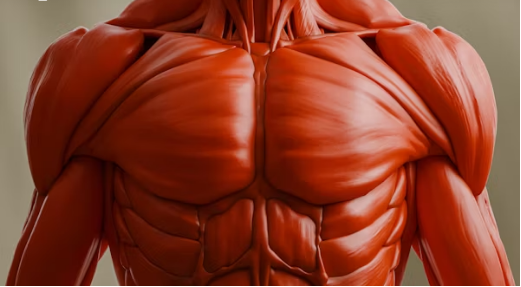
Muscular strength is the maximum force your muscles can produce at once. Strong muscles help you lift, carry, push, and pull—supporting your body during every movement from picking up groceries to climbing stairs.
Types of Strength Exercises
Different strategies develop strength in various muscle groups:
-
Weightlifting with free weights or machines
-
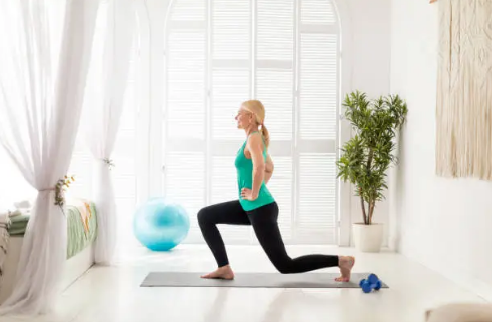
Bodyweight moves like push-ups, squats, or lunges
-
Resistance band workouts
-
Activities such as rock climbing or Pilates
For practical training tips, check GymDesk’s guide.
Flexibility
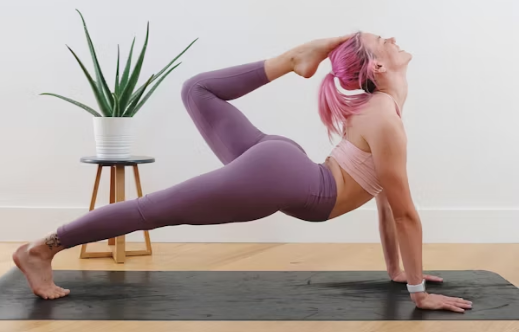
Flexibility is the ability of your joints and muscles to move through their fullest range of motion. It’s essential for reducing injury risk, maintaining effortless mobility, and supporting comfortable, efficient movement as you age.

Flexibility Activities
Supporting flexibility includes:
-
Daily stretching, both static and dynamic
-
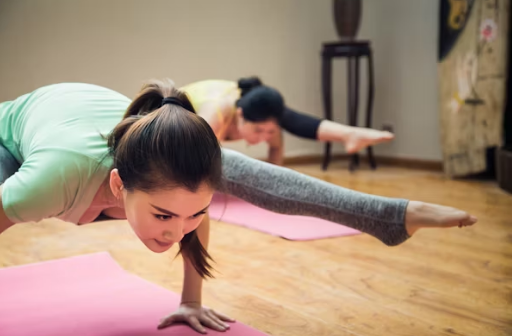
Yoga or Pilates classes
-
Mobility drills targeting specific joints
-
Active warm-ups before exercise
Learn more about personalized flexibility strategies at Healthline’s flexibility guide.
Why They Matter (The Benefits)
Why work on all three? Here’s how these components provide direct, transformative benefits for your health, mood, and daily living.
Cardiovascular Endurance
Cardio isn’t just for athletes—it’s a keystone of life-long wellness.
-
Reduces Disease Risk: Regular aerobic exercise lowers your chances of heart disease, stroke, high blood pressure, diabetes, and even some cancers by promoting stronger, more efficient heart and blood vessels.
-
Improves Brain Health: Cardio boosts mood, lowers anxiety, and supports sharper thinking by increasing endorphin and neurotransmitter activity.
-
Elevates Daily Energy: As your heart and lungs get stronger, tasks like climbing stairs, playing with kids, or shopping become easier, leaving you less fatigued.
For details, visit Healthline’s fitness facts.
Muscular Strength
Building strength is about more than muscle size—it’s essential for a long, active life.
-
Supports Metabolism: Muscle burns more calories at rest than fat, which aids with healthy weight management and combats age-related metabolic decline.
-
Protects Joints and Bones: Strong muscles stabilize joints and increase bone density, lowering the risk of osteoporosis, arthritis, and fractures as we age.
-
Prevents Injury and Pain: Strength prevents overuse injuries and helps with chronic pain (like back or joint discomfort) by improving posture and movement mechanics.
For strength-building insights, see TopEnd Sports’ resource.
Flexibility
Ignoring flexibility can limit your progress—and life enjoyment.
-
Reduces Injury Risk: Maintaining full joint range means less chance of muscle pulls, tears, or other strains as you move.
-
Enhances Mobility: Good flexibility supports everything from tying shoelaces to reaching overhead, so you maintain independence as you age.
-
Aids Athletic Recovery: Flexible muscles are less stressed after exercise, speeding recovery and lowering post-workout aches.
Explore the science at Physio-Pedia’s breakdown.
How These Components Work Together
Balanced fitness isn’t just a checklist—these components are interconnected, supporting each other for greater results:
-
Cardio workouts build stamina, allowing you to work harder during strength sessions.
-
Muscle strength supports posture and alignment in cardio and flexibility workouts.
-
Flexibility keeps joints healthy, improving your mechanics for both cardio and strength training.
Focusing on just one component—like only running, or only lifting weights—can lead to plateaus, increased injury risk, and missed opportunities for progress. An intentional blend delivers fuller-body wellness, with benefits you’ll feel in every area of life.
Creating Your Personal Fitness Blueprint
It’s easy to feel overwhelmed, but progress starts with small, consistent steps.
Assess Your Starting Point
Begin with simple self-checks or consult with a fitness professional:
-
Can you walk briskly for 20 minutes without stopping?
-
How many push-ups or squats can you do in a row?
-
Can you touch your toes (or get close) comfortably?
Your answers help guide where to focus first—whether it’s endurance, strength, or flexibility.
Setting Balanced Goals
Balance brings sustainable change. Attempt goals like:
-
Cardio: Walk, jog, or bike 3–5 times per week.
-
Strength: Train all major muscle groups 2–3 times weekly.
-
Flexibility: Stretch or do yoga most days.
For more on goal selection and personalized plans, see the Peter Harrison Centre.
Sample Weekly Balanced Routine
Here’s what a balanced week might look like:
-
Monday: 30 minutes brisk walk (cardio) + 10 minutes stretching (flexibility)
-
Wednesday: 30 minutes strength training (weights or bodyweight)
-
Friday: 20 minutes cycling (cardio) + 15 minutes yoga
Helpful Tools and Tracking Progress
Use fitness apps, diaries, or a smartwatch to chart workouts and steady progress. Small wins add up and motivate you to keep going.
Recommended resources and tools:
Additional Resources and Further Reading
Fuel your curiosity and deepen your knowledge with reputable sources:
Wellness Motivation
Understanding the three main fitness components—cardiovascular endurance, muscular strength, and flexibility—gives you the power to make informed, impactful choices for your health and happiness. Rather than striving for perfection in one area, why not build a strong, flexible, and energetic body that supports your best life? Start where you are, use the blueprint provided, and celebrate each step toward whole-body wellness. Your future self will thank you for every walk, stretch, and lift you choose today.